
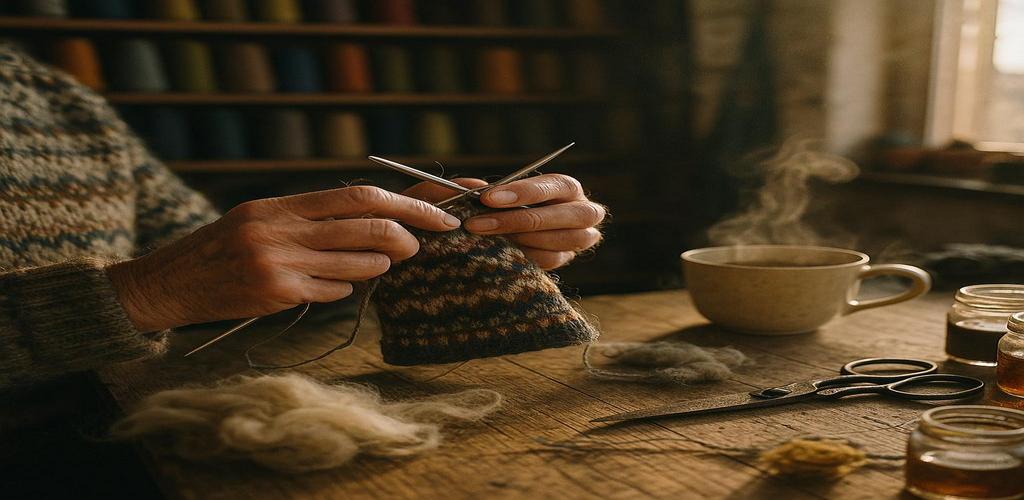
This winter, Fair Isle sweaters are emerging as both a cold-weather essential and a fashionable statement, channeling designer-level style without the accompanying price tag. Defined by their complex, multicolored geometric patterns, these time-honored knits are going beyond holiday party outfits and carving out a place as versatile staples in everyday wardrobes. With options now widely available for as little as $20 on platforms like Amazon, the once-elite knit has seamlessly woven itself into the fabric of modern winterwear.
A Sweater Born From the Sea and Sustained by Heritage
The origins of Fair Isle sweaters trace back to Fair Isle, a rugged, wind-swept island nestled between the Orkney and Shetland archipelagos of Scotland. Home to fewer than 60 residents, the island has maintained its renowned knitting tradition for over two centuries. Early examples were born not out of fashion, but function: cozy hand-knit caps and sweaters worn by fishermen braving the frigid North Sea. Over time, what began as utilitarian garments evolved into sophisticated works of textile art.
Fair Isle knitting is distinguished by intricate horizontal patterns constructed using a technique called stranded colorwork. Only two colors are used per row, but typically five to six hues appear in a single garment. The motifs—stars, ram’s horns, anchors, and the classic “OXO” pattern—draw from natural elements and the realities of island life. Traditionally dyed using sources like indigo, lichen, and madder root, the colors created striking patterns that were both beautiful and functional—adding visibility in often dangerous seafaring conditions.
Royal Approval and Fashion World Ascension
Fair Isle’s aesthetic leap from sea to salon was catalyzed in the 1920s, when Edward, Prince of Wales appeared publicly in these vibrant knits. His endorsement sparked a fashion frenzy, and by the 1930s, prominent designers such as Coco Chanel and Jean Patou wove Fair Isle-inspired motifs into their collections. Fair Isle’s vibrant patterns began appearing in elite wardrobes across Europe and North America.
Since then, the sweater’s allure has endured, favored over decades by style icons including Princess Diana, Sir Paul McCartney, and even Princess Charlotte. Its presence in popular culture, fashion runways, and royal closets has cemented its dual status as both a garment of tradition and a symbol of chic seasonal style.
True Craft, Few Hands, and Mounting Demand
While imitations abound, genuine Fair Isle sweaters—those hand-knit on the island using Shetland wool and original patterns—remain exceptionally rare and labor-intensive. Artisans follow time-honored practices using double-pointed needles and knitting in the round, techniques that ensure warm, seamless garments with unmatched detail. Each piece reflects the maker’s unique design choices and craftsmanship. “It can take three years to get off the waiting lists for one of these hand-made sweaters,” said Fair Isle-based knitter Mati Ventrillon, underscoring the demand for authentic creations.
Shetland wool—known for its breathability, warmth, and moisture-wicking qualities—adds both functionality and comfort. Some modern producers committed to heritage practices now offer sweaters made from 100% British wool and manufactured solely in Scotland, marrying tradition with sustainable production standards.
Mass Appeal and Mainstream Reinvention
While purists may seek heirloom-quality knits from the Scottish Isles, the Far Isle aesthetic has been reinterpreted across all levels of fashion. Brands from high-end to budget-friendly now feature Fair Isle-inspired patterns on sweaters, cardigans, hats, and scarves—embroidering tradition into accessible, everyday wear. These modern iterations maintain the characteristic multicolored bands but are often machine-made and manufactured globally to meet mass-market demand.
This democratization has turned Fair Isle sweaters into seasonal bestsellers, offering consumers a festive, weather-appropriate garment that looks equally polished at a holiday gathering or on a snowy weekend stroll. Their popularity has risen sharply in the e-commerce sector, with platforms like Amazon offering dozens of stylish options at low entry prices.
From Christmas Cheer to Year-Round Wear
Although often associated with December decorations and hot cocoa aesthetics, Fair Isle sweaters have outgrown their strictly seasonal associations. Their geometrically structured designs and reliable warmth translate well across the full duration of the winter months, evolving them into perennial cold-weather companions. Paired with tailored trousers or layered over a collared shirt, Fair Isle sweaters easily lend a tailored, upscale feel—no designer label required.
“Fair Isle has since been adopted as a general term for multicolored knitwear, but there are still small numbers of garments produced on the island from patterns which have been handed down through generations,” one BBC report noted, capturing both the sweater’s global evolution and cultural significance.
Preserving Heritage Amid Marketplace Saturation
Many in the textile and fashion communities stress the importance of honoring Fair Isle’s origin story and safeguarding the island’s unique cultural heritage. As the term “Fair Isle” increasingly describes any multicolored sweater regardless of origin or method, advocates and artisans urge consumers to recognize the distinction between mass-produced motifs and authentic generational handcraft.
Still, as a practical fashion staple and style-savvy statement, Fair Isle sweaters stand as a rare example of a trend that transcends its seasonal billing. Their enduring charm lies not only in vibrant patterns, but also in their deeper history—a tactile connection to a stormy Scottish isle and the enduring power of handmade art.