More than two decades after the premiere of The O.C., actor Peter Gallagher says he remains “deeply gratified” by the enduring legacy of a teen drama that not only shaped early 2000s television but also left a mark on generations of viewers who found in his character something they lacked: a steady father figure.
A Lasting Portrait of Fatherhood
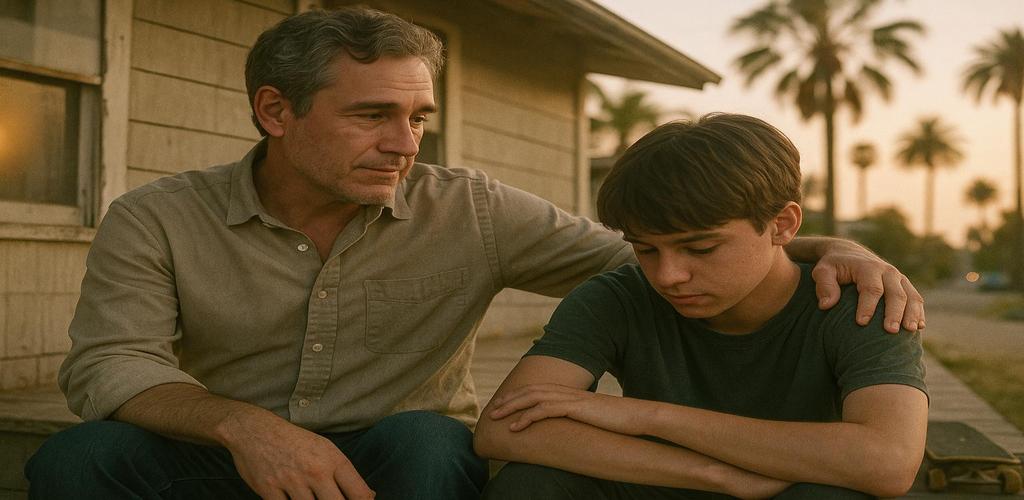
Gallagher, now 70, portrayed Sandy Cohen, a principled public defender whose open heart helped anchor the chaos surrounding the lives of affluent teens in Orange County, California. Unlike the usual emotionally distant or absent fathers portrayed in teen dramas at the time, Cohen was a rare model of compassion and moral centeredness.
“It was one of the greatest roles I could ever play because there are so many people in the world who haven’t really been fathered enough, and it was great to play a father,” Gallagher said in a recent interview reflecting on the show’s legacy.
His role came to symbolize more than good parenting—it became a lifeline for audiences confronting their own emotional absences. With calm authority and principled guidance, Sandy Cohen offered a blueprint of male nurturing rarely depicted during its era.
How The O.C. Redefined Teen Television
When it debuted on FOX in August 2003, The O.C. was more than a glossy coming-of-age tale set among the palm trees and palatial mansions of Newport Beach. It blended melodrama with incisive writing, marrying teen angst to socioeconomic tension and generational conflict.
At its peak, the series averaged nearly 10 million viewers per episode and became the number-one rated show among 18-to-34-year-olds in the 2003–2004 season. Its success heralded a new era of sophisticated teen storytelling. Creator Josh Schwartz infused the series with smart dialogue, contemporary themes, and a rich indie music soundtrack that became a character of its own.
The O.C. did not shy away from emotional complexity. Characters like Ryan Atwood, a troubled teen taken in by Sandy and his wife Kirsten, grappled with issues of identity, belonging, and redemption. Gallagher’s Cohen became a guiding figure through these thematic thickets, tethered to real-world challenges that elevated the show from glossy soap to cultural commentary.
A Cultural Footprint That Still Echoes
The influence of The O.C. stretched far beyond the screen. It helped make Southern California’s Orange County a household name, altering the region’s identity in the national imagination. Its portrayal of wealth was aspirational but tempered by sobering realities—family dysfunction, addiction, and loss. Iconic moments, including Marissa Cooper’s dramatic character arc and lines like “Welcome to the O.C., b*tch,” remain etched in pop culture memory.
Musically, the show reshaped an entire generation’s listening habits, with indie bands like Death Cab for Cutie and The Killers getting major exposure through the show’s curated soundtrack. For many fans, The O.C. served as a gateway to a broader cultural landscape of independent artistry and introspective lyricism.
The show also presaged the rise of the “cool nerd” aesthetic. Seth Cohen, Sandy’s son, brought comic books, sarcasm, and insecurity into vogue, reshaping the social hierarchy of teen drama protagonists. His character popularized a likable brand of self-deprecation and cultural savviness that would later be echoed in shows like Gossip Girl.
Criticism and Complexity
Despite its celebrated status, The O.C. has not escaped critical scrutiny. Viewers and scholars alike have noted its lack of racial diversity and limited representation of issues such as bisexuality and mental health. While certain plotlines made bold choices—for example, killing off a main character at the end of season three—others were seen as needlessly sensational or lacking consistency.
Yet these criticisms haven’t erased the show’s cultural impact. The series remains an artifact of its time: pioneering, flawed, and deeply influential. Its imperfections serve as a time capsule for a period of television still learning how to blend social awareness with entertainment.
The Streaming Renaissance and Enduring Fans
Thanks to streaming platforms such as Hulu and Max, The O.C. has found a new generation of viewers. With 27 episodes in its first season alone, the show provided ample space for story arcs to mature—something many current-day teen series, often trimmed to 8 or 10 episodes, struggle to achieve.
Commemorations for the 20th anniversary in 2023 included podcasts, cast reunions, and retrospective interviews. Online fandoms, nostalgic rewatches, and fan blogs continue to dissect the show’s layered narratives and character development.
Gallagher’s reflections mirror those of many long-time viewers: a sense of connection that transcends time. His character’s emotional resonance particularly endures because of what he represented—a genuine, unwavering moral compass in an often chaotic world.
A Legacy Rooted in Compassion
Pop culture often runs on spectacle, but its staying power is built on connection. In Sandy Cohen, Gallagher crafted a character who represented the possibility of understanding in an often merciless world. For young viewers navigating absence, loss, and instability, he was more than fiction.
“There are so many people in the world who haven’t really been fathered enough,” Gallagher said. “It was great to play a father.”
In a television landscape awash with dysfunction, that simple presence—steady, kind, and flawed—became its own form of healing. And two decades later, it still is.